
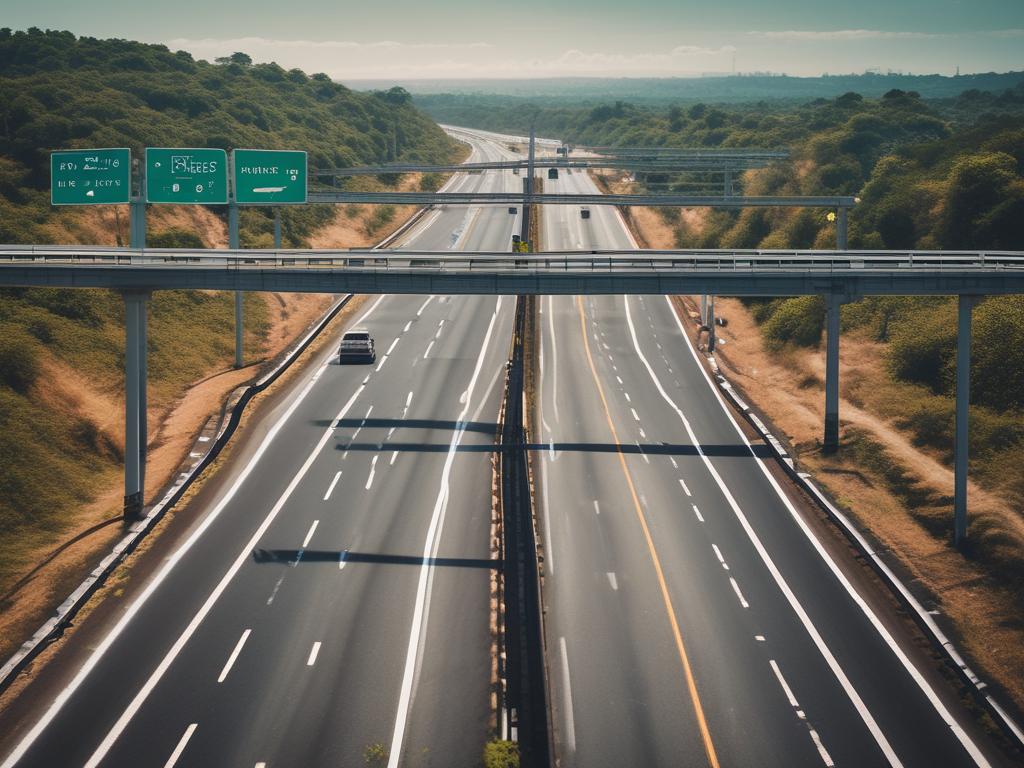
Highway sign boards play a crucial role in ensuring road safety and providing important information to drivers. These signs guide drivers on highways. These signs indicate directions, speed limits, exits, and other essential information.
Highway sign boards are larger in size as compared to regular road signs to ensure visibility from a distance. Therefore, we strategically place them along highways.

Here are some key types and purposes of highway sign boards:
Regulatory Signs: These signs give information about road rules and regulations that drivers must follow. Some Examples include:
- Stop signs
- Speed limit signs
- Yield signs
- No entry signs
Warning Signs: These signs alert drivers to potential hazards or changes in the road conditions ahead. Examples include:
- Curve ahead signs
- Pedestrian crossing signs
- Animal crossing signs
- Slippery road signs
Guide Signs: These signs provide directional information to help drivers navigate to their destinations. Examples include:
- Exit signs
- Mile markers
- Destination distance signs
- Route markers
Informational Signs: These signs provide general information that might be useful to drivers. Examples include:
- Rest area signs
- Hospital signs
- Gas station signs
- Tourist attraction signs
Construction Signs: These signs provide information about road work and construction zones. Examples include:
- Road work ahead signs
- Detour signs
- Lane closed signs
- Flagman ahead signs
Electronic Message Boards, also known as digital signs, display various messages and provide real-time information. Examples include:
- Traffic updates
- Weather warnings
- Amber alerts
- Road closures
The Significance of Highway Signs
Here are some key reasons why they are important:
- Safety:
- Accident Prevention: By providing clear and timely information, highway signs help prevent accidents. For example, warning signs alert drivers to upcoming hazards such as sharp curves, intersections, or pedestrian crossings.
- Regulation Compliance: Regulatory signs inform drivers about laws and regulations, such as speed limits, no-entry zones, and one-way streets, helping to reduce risky behaviors and ensure compliance with traffic laws.
- Navigation:
- Directional Guidance: Guide signs help drivers navigate their routes by indicating directions to cities, towns, and important landmarks. This is especially important in unfamiliar areas.
- Distance Information: Signs displaying distances to destinations help drivers plan their trips better and manage their time more effectively.
- Traffic Management:
- Flow Control: Properly placed signs manage the flow of traffic, preventing congestion and ensuring smooth movement of vehicles, especially at intersections, merges, and exits.
- Lane Usage: Lane control signs indicate which lanes to use for specific maneuvers, reducing confusion and improving traffic flow.
- Emergency Information:
- Alert Systems: Electronic message boards can quickly provide real-time information about emergencies, such as accidents, road closures, or severe weather conditions, allowing drivers to take appropriate actions.
- Emergency Services: Signs indicating the locations of hospitals, police stations, and other emergency services help drivers access critical assistance when needed.
- Information Dissemination:
- Service Information: Signs indicating the locations of rest areas, gas stations, restaurants, and other services help drivers find necessary amenities during long trips.
- Tourist Information: Informational signs about historical sites, scenic routes, and local attractions enhance the travel experience by guiding tourists to points of interest.
- Legal and Regulatory Compliance:
- Enforcement Support: Proper signage supports law enforcement efforts by clearly marking areas where specific rules apply, such as speed limits and no-parking zones.
- Standardization: Uniform signage ensures consistency in how information is presented, making it easier for drivers to understand and follow, regardless of where they are traveling.
- Public Awareness:
- Education: Signs also serve to educate the public about traffic rules and road safety, contributing to long-term improvements in driving behavior and road safety culture.
Overall, highway sign boards are vital for creating a safe, efficient, and navigable road network. They provide essential information that helps drivers make informed decisions, enhances safety, and ensures the smooth operation of road transportation systems.
Design and Placement
- Visibility: Signs should be easily visible and readable from a distance, typically using high-contrast colors and reflective materials.
- Consistency: The use of standardized symbols and formats ensures that drivers can quickly understand the information.
- Placement: Proper placement is crucial for effectiveness. Position signs at appropriate heights and distances to allow drivers enough time to react.
Safety and Maintenance
- Regular Inspections: To ensure that signs are visible and legible, regular maintenance and inspections are necessary.
- Damage and Vandalism: Prompt repair or replacement of damaged or vandalized signs is important for maintaining road safety.
These signs play a critical role in guiding, informing, and protecting drivers on the road. We at Pioneer Corporation provide you with the best signage solution for all your needs. Get in touch with our team fro a comprehensive propsal.


Hello friends appreciate the time you took out to read the post , please leave a comment